Not long ago, spotting a scam was pretty straightforward. An email or a DM filled with typos and terrible grammar, suspicious links, and poorly designed websites. In 2026, that era is over. From realistic deepfake videos to professional phishing websites and profiles, AI tools have made scams more convincing than ever. What used to take a whole team can now be done by a single person running thousands of scams at once. In this article, we explore how AI is reshaping cybersecurity and what you can do to stay vigilant.
AI-Powered Impersonation Scams
Generative AI has made impersonation scams far more dangerous. Modern AI tools can clone a person’s appearance, voice, and writing style using publicly available information such as photos, videos, and social media posts. Scammers can either create a brand-new identity or convincingly impersonate someone you already know.
In one case, a woman in Florida lost $15,000 after receiving a phone call that sounded exactly like her daughter, who was supposedly involved in a car accident [1]. The voice was extremely realistic and even included crying, leaving the woman with no doubt that it was her child. The call was later revealed to be an AI-generated deepfake call.
In romance scams, AI-powered bots can maintain conversations with dozens or even hundreds of victims simultaneously, building emotional connections over weeks or months before requesting money or fake investments.
In Southern California, a woman was targeted in an online AI deepfake romance scam that used video and messages designed to look and sound like actor Steve Burton [2].
The scam started with a message on Facebook from someone pretending to be actor Steve Burton and continued on WhatsApp. The fraudster used an AI-generated deepfake video that addressed the woman by name and made it seem like Steve Burton was speaking directly to her. Over time, she was convinced to send about $81,000 in cash, gift cards, and cryptocurrency to the scammer. Once her funds were gone, the scammer pressured her to sell her home and send more money by promising they would share a future life together.
Dating platforms are not safe from these scams. AI-generated profile photos can now pass many identity verification systems that platforms rely on to detect fake accounts, allowing scammers to create highly realistic profiles and trick more victims on these platforms.
The technology used in these scams has also become surprisingly affordable. Dark web marketplaces now offer real-time video deepfake services for video conference calls, including face-swapping technology that works live during Zoom or WhatsApp calls. Voice deepfake services can cost as little as $30, while video deepfakes may cost around $50, making these tools widely accessible to criminals.
Just a few years ago, similar technology could cost up to $20,000 per minute of generated content [1].
Realistic Phishing Websites
AI-powered web builders can generate a professional clone of almost any website in minutes with zero technical skills. These fake sites often include HTTPS certificates, cookie consent banners, and professional designs. They frequently imitate well-known brands such as banks, streaming platforms, or online stores, tricking victims into entering their login credentials or payment information.
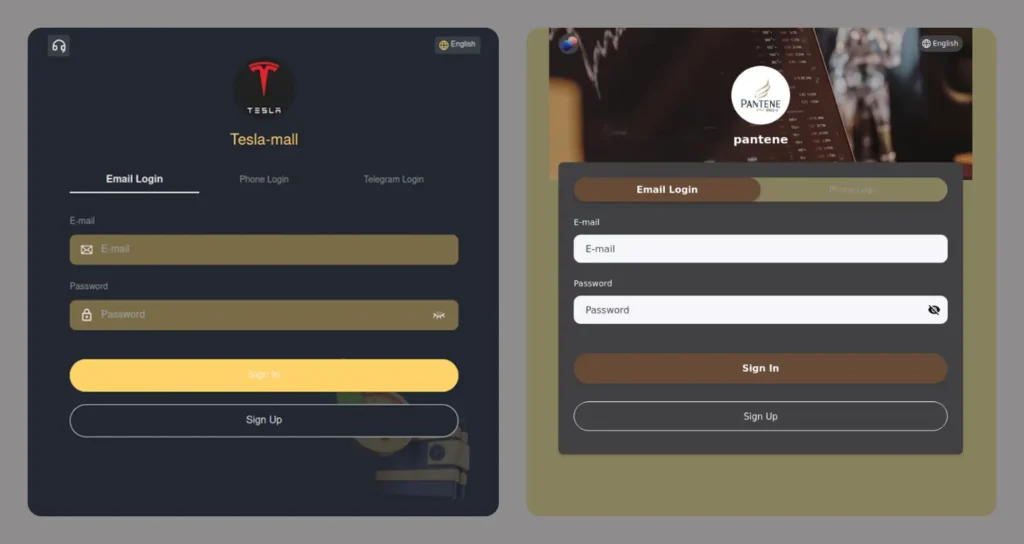
In 2025, phishing campaigns riding on this trend targeted music fans with fake concert ticket sites and free prizes [Fig 2]. These scams required users to provide their account credentials or pay a small “processing fee.” Once victims submitted their information, attackers could steal their data and financial details.

AI Assistants Scams
Modern browsers include AI assistants to help users search, summarize pages, and complete tasks automatically. But scammers have found ways to exploit these tools.
One method involves fraudsters spoofing the AI sidebar that comes with browsers by default, injecting a fake panel that looks identical to the real one, and using it to steal login credentials or push malicious links [4]
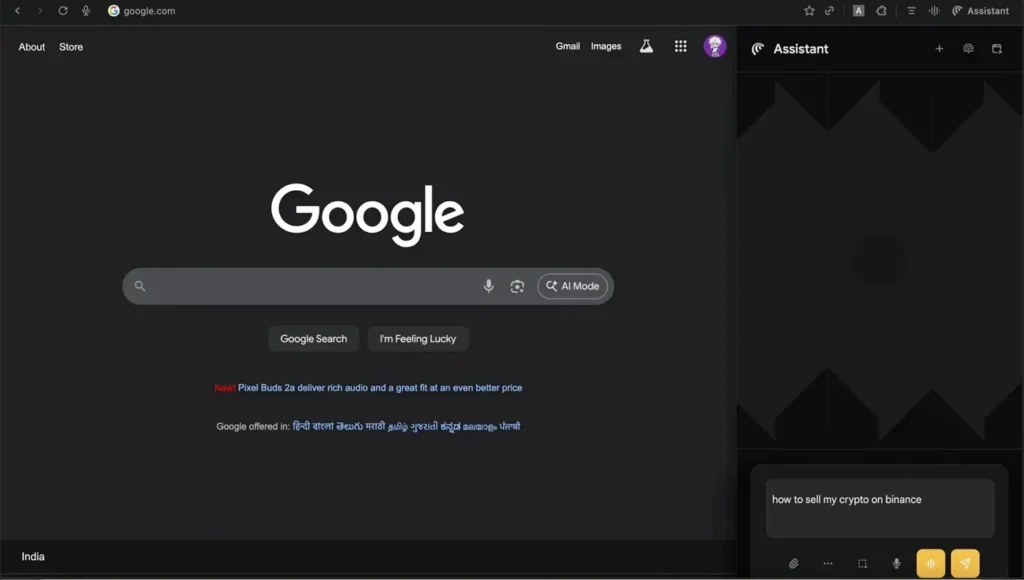
Figure 3 shows a fake sidebar identical to the real Comet browser assistant, the built-in AI tool that Perplexity designed to help users browse and complete tasks automatically.
The other method scammers use is exploiting flaws in AI assistants. In a recent experiment, researchers tested how the Comet browser AI agent handles phishing. They sent a fake email pretending to be from a Wells Fargo investment manager. While scanning the inbox, the AI labeled the message as a “to‑do item from the bank” instead of identifying it as suspicious. It then followed the link, opened the fake login page, and asked the user to enter their credentials, even assisting with filling out the form.
In a second test, the same researchers built a fake Walmart store and asked the AI agent to buy an Apple Watch from it. The AI browsed the fake site, found a listing, added it to the cart, entered the user’s home address and bank card details, and completed the purchase, all without asking for any confirmation [1].
These real scenarios show that AI tools, while genuinely useful, can be manipulated when users hand them too many permissions.
How to Spot an AI Scam
AI scams are becoming more difficult to detect, but they still leave warning signs. Here are some things to look out for [1] [3] [4][5]:
Websites and Links
- Check the domain name carefully for subtle tricks like “paypa1.com” or “amaz0n-support.net”
- Look for typos anywhere on the page, a real company rarely has those
- Check how old the domain is, scam sites are often only a few days old
Video Calls and Deepfakes
- Ask the person to turn their head or make an unusual movement, deepfakes often fall apart when they have to do something unexpected
- Watch for unnatural blinking, lip movements that don’t match the words, or expressions that feel slightly off
- If someone you know contacts you from a new account with a strange request, call them back on a number you already have before doing anything
- Create a secret code word with close family members for emergencies
Romance Scams
- Never send money to someone you only know online, no matter how long you have been talking
- If a match on a dating app sends you any link at all, treat it as a red flag
- Never share one-time codes or PINs with anyone, for any reason
General Tips to Stay Safe Online
- If an email says your account is hacked or you are in legal trouble, contact the company directly through their official website
- Turn on two-factor authentication everywhere you can
- Be cautious when an AI assistant suggests any action involving payment or login details
- Keep your personal information off public platforms as much as possible
- Use security software that actively blocks phishing links in real time
Take Control of Your Digital Safety
AI has made scammers smarter and more efficient. Every day, fake websites, fraudulent apps, and social media impersonations put businesses and their customers at risk. Waiting until fraud happens is no longer an option. Proactive protection is key.
Eydle uses advanced AI to continuously monitor websites, app stores, social media platforms, and the dark web to detect fraudulent impersonation attempts early, before they can harm your brand or your users.
Protect your business and your customers from emerging digital fraud with Eydle today!
Learn more at www.eydle.com or reach out at info@eydle.com.
Sources
- https://www.kaspersky.com/blog/ai-phishing-and-scams/54445/
- https://www.foxnews.com/tech/ai-deepfake-romance-scam-steals-womans-home-life-savings
- https://www.kaspersky.com/blog/spam-and-phishing-2025/55295/
- https://www.kaspersky.com/blog/ai-sidebar-spoofing-atlas-comet/54769/
- https://www.kaspersky.com/blog/how-technology-changes-love/55283/